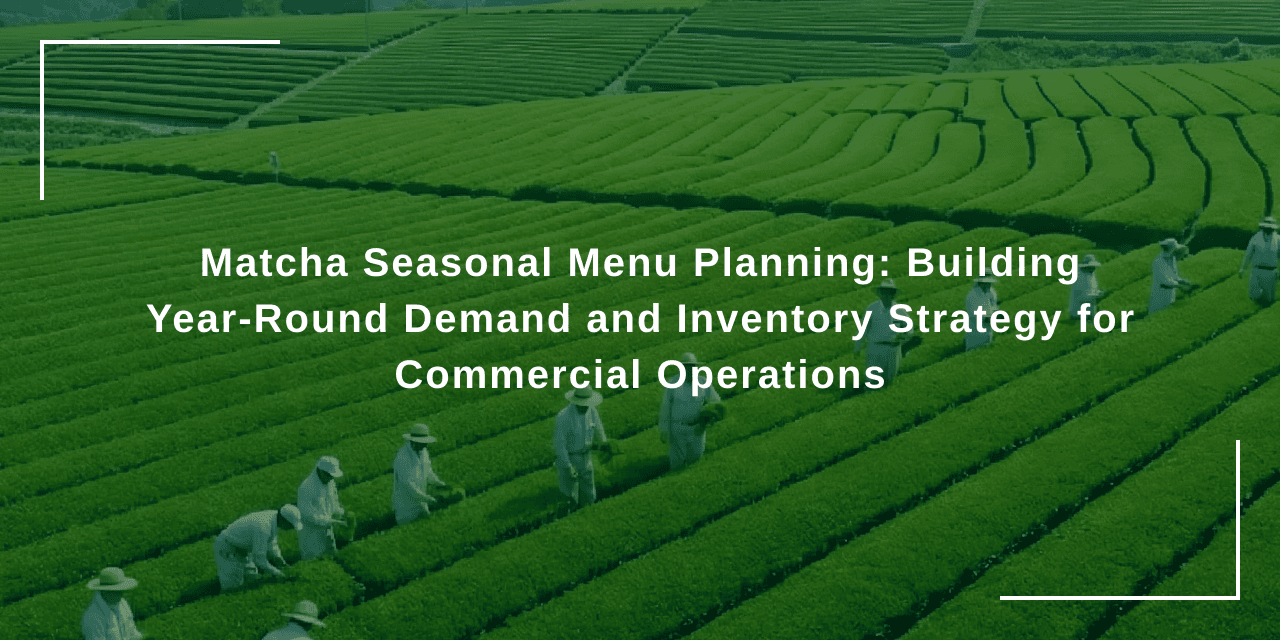
The global matcha market has experienced unprecedented growth, with commercial demand increasing by over 25% annually in recent years. For B2B buyers managing cafes, food manufacturing operations, bakeries, and beverage companies, understanding seasonal consumption patterns and developing strategic inventory plans has become crucial for maximizing profitability while maintaining product quality. This comprehensive guide explores how commercial operations can build year-round demand through strategic seasonal menu planning and optimize their matcha procurement strategies.
Understanding Matcha Consumption Patterns: Peak Seasons vs Year-Round Demand Analysis
Commercial matcha consumption follows distinct seasonal patterns that vary significantly across different market segments and geographic regions. Understanding these fluctuations is essential for effective inventory planning and menu development strategies.
Traditional Peak Season Analysis
Historically, matcha consumption in Western markets has shown strong seasonal variations, with summer months driving the highest demand due to iced matcha beverages. Data from major coffee chains and independent cafes reveals that 60-70% of matcha sales occur between May and September, with July and August representing peak consumption periods.
However, this pattern is evolving as consumers become more educated about matcha's versatility. Premium establishments report more balanced year-round sales, suggesting that strategic menu planning can significantly flatten seasonal demand curves.
Emerging Year-Round Demand Trends
Several factors are contributing to increased year-round matcha consumption:
- Health consciousness: Growing awareness of matcha's antioxidant properties drives consistent demand regardless of season
- Premium positioning: Higher-end establishments successfully market matcha as a year-round luxury ingredient
- Menu diversification: Integration into baked goods, desserts, and hot beverages creates winter demand
- Cultural adoption: Increased familiarity with Japanese tea culture supports traditional hot preparation methods
Operations that actively work to balance seasonal demand report 30-40% higher annual matcha revenue compared to those focusing solely on summer iced beverages.
Strategic Seasonal Menu Development: Hot Weather, Cold Weather, and Holiday Applications
Successful seasonal menu planning requires understanding how matcha's flavor profile and visual appeal can be leveraged across different weather conditions and cultural moments throughout the year.
Hot Weather Menu Strategies
Summer remains the natural peak season for matcha consumption, but strategic menu development can maximize this opportunity:
Beverage Innovation: Beyond traditional iced matcha lattes, consider matcha frappés, cold brew matcha combinations, and matcha-infused sparkling beverages. The key is balancing matcha's natural umami notes with complementary flavors that appeal to summer palates.
Frozen Applications: Matcha ice cream, frozen yogurt, and popsicles represent high-margin opportunities. For commercial operations, these applications often require ceremonial-grade matcha to achieve the vibrant color and clean flavor that consumers expect.
Light Food Pairings: Matcha works exceptionally well in summer desserts like macarons, white chocolate combinations, and citrus-forward pastries. These applications can use culinary-grade matcha while still delivering excellent results.
Cold Weather Menu Development
Winter menu planning presents the greatest opportunity for differentiation and building year-round customer loyalty:
Hot Beverage Programs: Traditional matcha preparation methods, matcha hot chocolate, and matcha-spiced lattes can drive significant winter sales. Training staff on proper whisking techniques and temperature control becomes crucial for consistent quality.
Comfort Food Integration: Matcha pairs surprisingly well with winter flavors like vanilla, caramel, and even seasonal spices. Consider matcha cheesecakes, matcha white chocolate truffles, and matcha-infused holiday cookies.
Wellness Positioning: Winter months allow for marketing matcha's health benefits more effectively, as consumers seek immunity-boosting beverages and stress-reducing rituals.
Holiday and Special Occasion Applications
Strategic holiday menu planning can create significant revenue spikes during typically slower periods:
Holiday Period | Recommended Applications | Target Matcha Grade | Expected Demand Increase |
|---|---|---|---|
Valentine's Day | Matcha chocolate combinations, pink matcha lattes | Ceremonial | 15-20% |
St. Patrick's Day | Green-themed beverages, matcha cocktails | Premium Culinary | 25-30% |
Mother's Day | Elegant matcha desserts, gift sets | Ceremonial | 20-25% |
Christmas/New Year | Matcha holiday cookies, champagne pairings | Premium Culinary | 35-40% |
Inventory Forecasting and Procurement Timing: Aligning Orders with Seasonal Demand Cycles
Effective matcha inventory management requires balancing the product's limited shelf life with the need to secure adequate supply during peak demand periods. Unlike many food ingredients, matcha's quality degradation timeline demands careful procurement planning.
Understanding Matcha Shelf Life and Quality Degradation
Unopened matcha maintains peak quality for 12-24 months when properly stored, but quality begins declining after 6-8 months. Once opened, matcha should ideally be consumed within 3-4 weeks for ceremonial grade and 2-3 months for culinary grade to maintain optimal flavor and color.
This timeline creates unique challenges for commercial operations that must balance bulk purchasing economies with quality maintenance requirements.
Strategic Procurement Timing
Pre-Season Ordering: Place major orders 2-3 months before anticipated demand peaks to ensure adequate supply. This is particularly important for premium grades, which may have limited availability during peak seasons.
Rolling Inventory Approach: Rather than large quarterly orders, consider monthly or bi-monthly smaller orders to maintain freshness. This approach works particularly well for operations with consistent year-round demand.
Harvest Season Considerations: Japanese matcha harvest occurs primarily in May, with the highest quality first-flush teas becoming available in June-July. Planning procurement around these cycles can ensure access to the freshest, highest-quality product.
Demand Forecasting Models
Successful operations typically use a combination of historical data and trend analysis to forecast demand:
- Historical baseline: Use previous year's sales data as a starting point, adjusting for growth trends
- Weather impact modeling: Unusual weather patterns can shift demand by 20-30% in either direction
- Marketing activity correlation: Promotional periods and new menu launches typically drive 40-60% increases in consumption
- Local market factors: Consider demographic changes, competition, and cultural events in your market area
Cost Management Strategies: Balancing Freshness Requirements with Bulk Purchasing Benefits
Matcha's premium pricing structure and quality requirements create unique cost management challenges that require sophisticated approaches to purchasing and inventory management.
Understanding Matcha Pricing Structures
Commercial matcha pricing varies significantly based on grade, volume, and procurement timing. Understanding these variables is crucial for effective cost management:
Volume Discounts: Most suppliers offer 15-25% discounts for orders exceeding 5-10 kg, with additional savings for larger quantities. However, these must be balanced against quality degradation risks.
Seasonal Price Fluctuations: Prices typically increase 10-20% during peak demand periods (May through August) due to supply constraints and increased global demand.
Grade Optimization: Strategic use of different matcha grades can significantly impact costs while maintaining quality standards. Reserve ceremonial grade for signature beverages and high-visibility applications while using premium culinary grade for baked goods and blended beverages.
Cost-Effective Procurement Strategies
Multi-Grade Inventory: Maintain inventory of 2-3 different matcha grades to optimize cost-per-application. This typically reduces overall matcha costs by 20-30% compared to using ceremonial grade for all applications.
Supplier Partnership Development: Building long-term relationships with reputable suppliers can provide access to better pricing, priority allocation during shortages, and flexible payment terms.
Forward Contracting: For high-volume operations, consider forward contracts to lock in pricing and ensure supply security. This strategy works particularly well for operations projecting consistent growth.
"The key to successful matcha procurement is understanding that quality preservation directly impacts profitability. A 10% savings on purchase price becomes meaningless if product degradation leads to customer dissatisfaction or waste." - Commercial Operations Director, Leading Specialty Coffee Chain
Waste Reduction and Quality Preservation
Implementing proper storage and handling procedures is essential for cost management:
- Temperature control: Maintain storage temperatures below 40°F to slow quality degradation
- Light protection: Store matcha in opaque containers to prevent color and flavor degradation
- Moisture control: Use desiccants and ensure airtight storage to prevent clumping and flavor loss
- First-in-first-out rotation: Implement strict inventory rotation procedures to minimize waste
Marketing and Customer Retention: Driving Off-Season Matcha Sales Through Menu Innovation
Building year-round matcha demand requires strategic marketing approaches that educate customers about matcha's versatility while creating compelling reasons to purchase during traditionally slower periods.
Educational Marketing Strategies
Many consumers still associate matcha primarily with summer iced beverages. Educational marketing can significantly expand customer understanding and drive off-season sales:
Traditional Preparation Demonstrations: Offering traditional matcha whisking demonstrations or classes can build appreciation for hot matcha preparation methods, driving winter sales.
Health Benefit Communication: Highlighting matcha's antioxidant properties, sustained energy benefits, and stress-reducing qualities resonates particularly well during cold weather months and stressful periods.
Cultural Context Education: Sharing information about matcha's cultural significance and traditional uses can help customers appreciate its versatility beyond trendy beverages.
Menu Innovation for Off-Season Demand
Creative menu development is crucial for maintaining customer interest during slower periods:
Seasonal Flavor Pairing: Develop matcha combinations that align with seasonal preferences. Winter pairings with vanilla, caramel, and warming spices can be particularly effective.
Limited-Time Offerings: Create urgency and interest through rotating seasonal matcha specials that encourage customers to visit during typically slower periods.
Cross-Category Integration: Incorporate matcha into food items, desserts, and even savory applications to create multiple touchpoints throughout the day and year.
Customer Retention Programs
Building matcha loyalty requires consistent quality and ongoing engagement:
- Quality consistency: Maintain identical taste profiles year-round through careful supplier relationships and staff training
- Loyalty programs: Offer matcha-specific rewards or punch cards to encourage regular consumption
- Seasonal promotions: Create compelling off-season promotions that introduce customers to new matcha applications
- Community building: Foster a community of matcha enthusiasts through social media engagement and special events
Staff Training and Quality Consistency
Consistent quality delivery is essential for building customer confidence in matcha offerings:
Preparation Standardization: Develop and document standard operating procedures for all matcha applications, ensuring consistency across all staff and shifts.
Quality Recognition Training: Train staff to recognize quality issues such as color degradation, clumping, or off-flavors that might indicate storage problems.
Customer Education Skills: Equip staff with knowledge about matcha grades, flavor profiles, and traditional preparation methods to enhance customer education opportunities.
Successful year-round matcha programs require strategic planning that balances inventory management, cost control, and customer education. By understanding seasonal consumption patterns and developing comprehensive procurement and marketing strategies, commercial operations can build sustainable, profitable matcha programs that drive consistent revenue throughout the year.
First Agri specializes in direct-from-Japan matcha sourcing, working exclusively with certified organic producers to provide commercial operations with consistent, high-quality matcha across all grades. Our supply chain expertise and seasonal procurement planning can help your operation optimize inventory costs while maintaining the quality standards essential for customer satisfaction. Contact us today to request samples and discuss how our matcha sourcing solutions can support your seasonal menu planning and inventory optimization goals.